BCR Project Identifies Rainfall Data Sites to Boost Farmers’ Climate Resilience In Northern Liberia
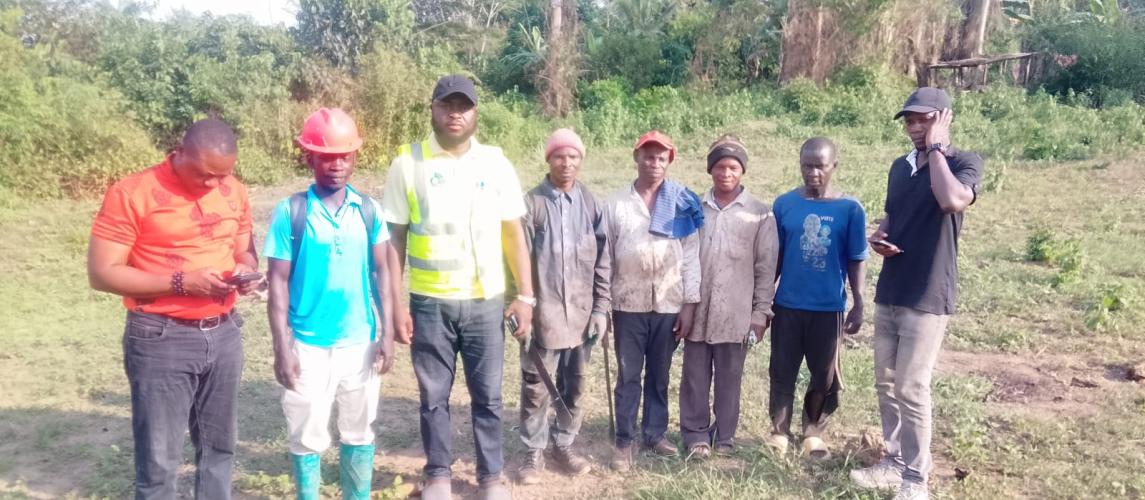
BEYAN TOWN, Lofa County – A joint technical team from the Environmental Protection Agency (EPA), the Ministry of Transport (MoT), and the Central Agricultural Research Institute (CARI) has completed an assessment of Liberia’s northern region, identifying and validating sites for the installation of rainfall and agrometeorological (Agromet) stations to support farmers.
Backed by the International Fund for Agricultural Development (IFAD), the initiative aims to strengthen climate resilience by equipping farmers’ cooperatives with reliable rainfall information. The assessment confirmed multiple suitable sites, engaged township leadership and cooperative representatives, and reinforced the government’s and donor community’s commitment to climate-smart agriculture, food security, and farmer empowerment.
The assessment team, led by Berexford Jallah, James Kollie, Buster Nagbe Morris, and Freeman K. Blackie, worked closely with township leaders, cooperative representatives, and community stakeholders to ensure inclusivity, transparency, and sustainability in site selection, stressing, “When this technology is installed, the rainfall data will guide planting decisions for farmers in the region.”
Berexford Jallah, Team Lead, stated that climate variability and unpredictable rainfall patterns continue to challenge Liberia’s agricultural productivity. Under the framework of the BCR Project, rainfall and Agromet stations will provide localized, real-time data to guide planting decisions, optimize yields, and reduce climate risks.
This initiative, introduced through the Building Climate Resilience Project (BCR P), seeks to identify a suitable site for the installation of a rainfall station that will provide reliable data to benefit farmers across Bong, Lofa, and Nimba counties, with support from IFAD Liberia.
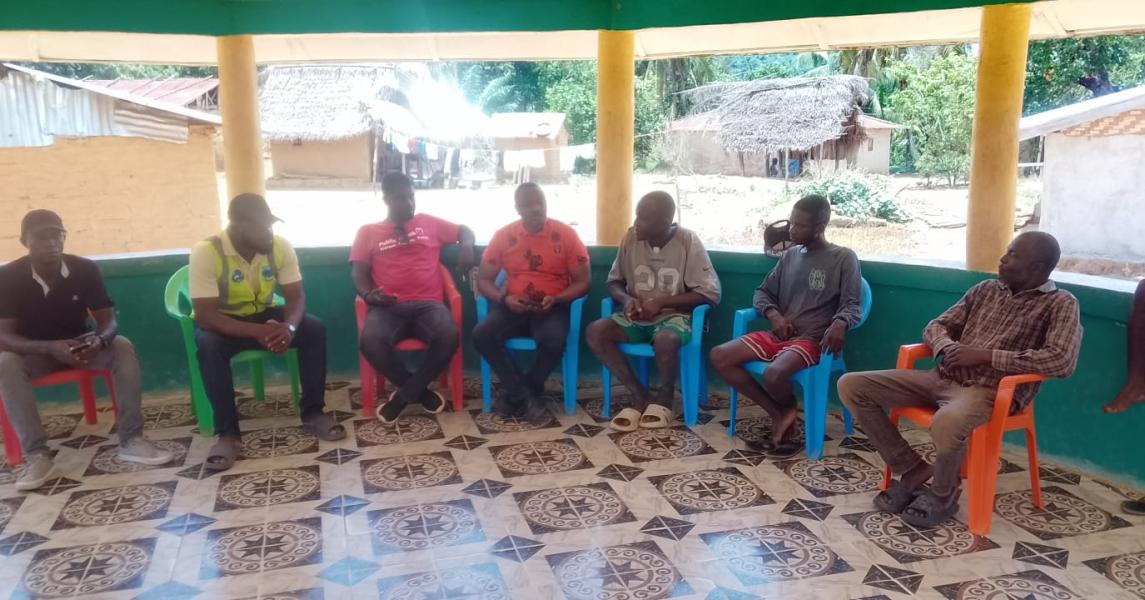
During the assessment, Berexfod Jallah from the Environmental Protection Agency (EPA), who led the team, engaged the township community leadership to emphasize the importance of both the rainfall station and the broader agrometeorological (Agromet) station. He explained how these facilities will strengthen farming activities by providing timely rainfall data, enabling farmers to plan effectively for higher yields.
In addition, Freeman K. Blackie highlighted to the farmers how the rainfall data will directly support their decision-making during planting seasons. He stressed that access to accurate rainfall information will empower farmers to align their production cycles with favorable weather conditions, ultimately increasing harvest yields across their individual farms and strengthening the cooperative’s collective output.
Over a 10-day field assessment, the team identified five communities in Lofa County (Beyan Town, Salayea, Gbanway, Telemai, and Bouck Town Junction), five in Nimba County (Gbedin-Zuluyee, Burtain in Saclepea, Wlenlah in Ganta, Mehnsonnon, and Tappita), and five in Bong County (Gbondoi, Zowenta, Barworduelleh, Gwanyeah, and Zeansu/Janebelelah Town).
In Lofa County, the project plans to install 15 rainfall and Agromet stations to support farmers’ cooperatives during the planting season. In Nimba, sites include a 25-acre vegetable farm in Gbedin and 10 hectares of lowland along Gwen Creek in Tappita, currently affected by flooding linked to road construction. In Bong County, women-led cooperatives raised concerns about financial constraints and delays in IFAD support, while other communities agreed on installation sites based on GPS coordinates.
Community engagement was central to the process, with township leaders and cooperative representatives expressing strong support. Farmers emphasized the importance of rainfall data in addressing unpredictable rainfall, flooding, and climate change impacts, and pledged to support station management and sustainability.
The rainfall station assessment across northern Liberia marks a milestone in the country’s climate resilience agenda. By equipping farmers’ cooperatives with rainfall and Agromet data, the BCR Project will empower communities to make informed agricultural decisions, reduce climate risks, and enhance food production. This initiative reflects the Government of Liberia’s and donor partners’ commitment to climate-smart agriculture, sustainable development, and farmer empowerment, ensuring that cooperatives are better prepared to adapt to changing rainfall patterns and secure improved yields for future generations.