Fish Farming: Vital Frontier for Economic Empowerment, Environmental Stewardship, and National Food Sovereignty
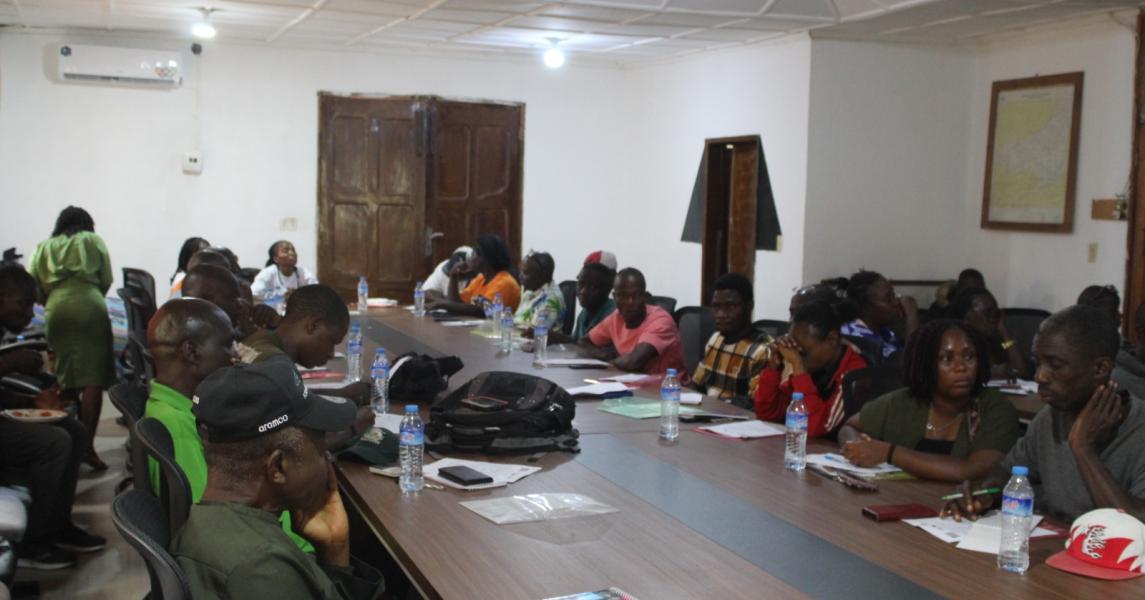
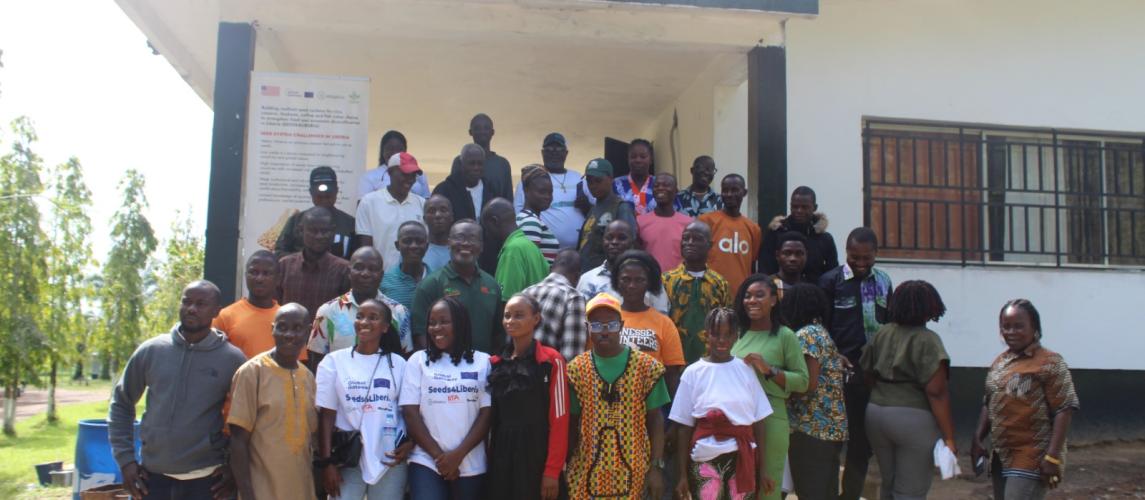
SUAKOKO, Liberia -- The National Fisheries and Aquaculture Authority (NAFAA), in collaboration with the Central Agricultural Research Institute (CARI) and international partners, officially commenced the training of aquaculture trainers in enterprise and business investment.
The training, running from 2025–2029 under the Global Gateway Private Sector Development in Liberia initiative, brings together participants from diverse sectors including cassava, wood, youth, fisheries, aquaculture, and persons living with disabilities (PLWDs).
Welcoming participants, Dr. Arthur Bob Karnuah, Director General of CARI, emphasized the importance of aquaculture as a complement to traditional agriculture. He underscored its potential to improve nutrition, diversify farmer incomes, and reduce pressure on natural fisheries. According to Dr. Karnuah, the expansion of aquaculture represents both an economic and environmental imperative, positioning Liberia to strengthen food sovereignty while empowering communities through sustainable livelihoods.
Dr. Karnuah encouraged participants to engage actively, noting that the skills gained would benefit individuals and the wider agricultural sector. He expressed gratitude to facilitators and partners, including the European Union, Expertise France, African Development Bank, International Labour Organization, and the Government of Liberia, for their financial and technical contributions. He commended CARI for providing a conducive environment for research, learning, and practical demonstration, affirming its commitment to innovation and collaboration in advancing aquaculture as a cornerstone of Liberia’s food system.
The training venue has been designated as a center for technical excellence, with a comprehensive curriculum addressing the operational realities of aquaculture. Modules cover the biological complexities of species such as tilapia, catfish, and heterotis, alongside enterprise development and sustainable management practices.
One of the highlights was a presentation by Daouda Bambara, an aquaculture specialist from Côte d’Ivoire with over 20 years of experience across West and Central Africa. Bambara guided participants through the essential steps of establishing and managing a successful fish hatchery. He began with a practical demonstration of collecting sperm and eggs, emphasizing precision and care to ensure high fertilization rates and healthy fingerlings.
From hatchery techniques, Bambara transitioned into the broader context of Private Sector Development in Liberia, highlighting how aquaculture can stimulate entrepreneurship, create jobs, and strengthen food security. He encouraged participants to view aquaculture not only as a technical practice but also as a business opportunity with significant national impact.
Private Sector Development in Liberia is currently focused on unlocking access to finance, strengthening MSMEs, and diversifying the economy through agriculture, fisheries, and industrial value chains. Recent initiatives include resolving non‑performing loans, attracting foreign investment, and implementing EU‑funded programs to boost competitiveness and job creation.
Bambara’s presentation also covered fish feed production, stressing the importance of balancing nutrients, minerals, and gases to sustain fish growth and health. He explained the roles of carbon and nitrogen sources in feed formulation and pond ecology, and introduced participants to the use of organic, inorganic, and mineral fertilizers to improve water quality and fish health.
In discussing fish pond preparation, he highlighted proper site selection, soil conditioning, and water management. He connected these practices to broader crop systems, noting that wheat and rice by‑products can serve as valuable feed ingredients, thereby integrating aquaculture with agricultural production.
Throughout his session, Bambara maintained a clear narrative: aquaculture is both a science and a livelihood strategy. By combining technical rigor with entrepreneurial vision, he urged participants to see themselves as pioneers in advancing Liberia’s aquaculture sector. His blend of practical training and strategic insights left participants motivated to apply their new knowledge in ways that benefit both their communities and the national economy.
As NAFAA and CARI continue to champion aquaculture, the message is clear: aquaculture is no longer a peripheral activity—it is a vital frontier for economic empowerment, environmental stewardship, and national food sovereignty.